
Outdoor clothing has moved far beyond the trail. What started as gear for hikers and climbers is now a major part of everyday style—and in 2025, the lines between performance wear and fashion are thinner than ever. Whether you’re planning a multi-day trek, a weekend camp, or just want clothes that look good and last, the right brands make all the difference. Here’s a clear look at the outdoor brands that are defining the moment, what they do best, and how to choose.
Why Outdoor Fashion Is Booming
Outdoor apparel has shifted from niche to mainstream for a few clear reasons. First, Gorpcore—the trend that treats technical outdoor gear as everyday fashion has made shell jackets, trail runners, and fleeces acceptable (and desirable) in the city. Second, sustainability matters more to shoppers; brands that use recycled materials, repair programmes, and transparent supply chains are winning. Third, tech fabrics have improved: lighter, more breathable, and more durable than ever, so one jacket or layer can handle rain, wind, and variable temperatures without looking like a walking tent. Add in a lasting appetite for comfort and versatility after years of casual dress, and it’s no surprise that outdoor brands are having a moment.
What to Look for in Outdoor Clothing
Before diving into brands, it helps to know what actually matters when you’re buying.
- Fit and mobility: You need room to move. Look for articulated sleeves, gussets, and cuts that work with a pack or layers underneath.
- Weather and activity: A hard shell for alpine use is different from a soft shell for trail running or a lightweight wind layer for the city. Match the piece to how and where you’ll use it.
- Materials and construction: GORE-TEX, Pertex, and similar membranes handle rain and wind; merino and synthetic fleece manage warmth and moisture. Check seams, zippers, and reinforcements in high-wear areas.
- Sustainability: Recycled content, bluesign® or Fair Trade certifications, and repair/recycle programmes are strong signals that a brand is taking its impact seriously.
- Versatility: If you want one piece for trail and town, look for clean lines and muted or classic colours that don’t scream “I just came off the mountain.”
Top Outdoor Clothing Brands in 2025
1. Arc’teryx: For Extreme Adventurers
Overview: Arc’teryx is the go-to for serious alpinists, skiers, and anyone who wants maximum performance in harsh conditions. The brand is known for precise fit, top-tier materials, and a premium price that reflects it.
Why it’s trending: Gorpcore has made Arc’teryx shells and fleeces status pieces off the mountain. The logo and cut are instantly recognisable; the quality holds up over years.
Key products: Beta AR / Beta LT jackets, Atom LT hoody, Gamma MX soft shell, Alpha SV for extreme conditions.
Sustainability / innovation: GORE-TEX and proprietary membranes; emphasis on longevity and repair; increasing use of recycled materials and more responsible chemistry (e.g. PFC-free DWR where possible).

Best For
If you’re an avid mountaineer, ice climber, or backcountry skier, Arc’teryx is your go-to brand. Their gear is designed to perform in the most challenging environments, offering the protection you need when the weather turns against you.

Consider the Arc’teryx Alpha SV Jacket for your next alpine adventure. It’s built to withstand the harshest conditions with its robust GORE-TEX Pro fabric.

2. Patagonia: For the Eco-Conscious Explorer
Overview: Patagonia has long been the reference for durable, functional outdoor gear with a clear environmental mission. From fleeces and shells to trail running and climbing, the range is broad and consistently reliable.
Why it’s trending: The brand’s repair programme, Worn Wear, and vocal stance on climate and conservation align with how many people want to shop in 2025. Its pieces are also a Gorpcore staple—recognisable and socially acceptable in urban settings.
Key products: Better Sweater fleece, Nano Puff jacket, Torrentshell rain jacket, Capilene baselayers.
Sustainability / innovation: Heavy use of recycled polyester and nylon; Fair Trade Certified sewing; activism and funding for environmental causes; repair and reuse programmes.
3. The North Face: For Versatile Outdoor Enthusiasts
Overview: The North Face covers everything from summit expeditions to city commutes. It’s one of the most visible outdoor brands globally, with a mix of technical lines and lifestyle-oriented pieces.
Why it’s trending: Collaborations, retro reissues (e.g. Nuptse, Denali), and a strong presence in streetwear keep TNF relevant. You get performance options and pieces that work in everyday rotation.
Key products: Nuptse jacket, DryVent shells, Summit Series for serious alpine use, trail running and hiking apparel.
Sustainability / innovation: Recycled materials across the line; Cali collection and other eco-focused ranges; commitment to more sustainable cotton and chemistry.
4. Salomon: For Trail Runners and Hikers
Overview: Salomon is the reference for trail running and fast hiking—shoes, apparel, and packs built for speed and agility. The aesthetic is sleek and sporty, and the brand has a strong following among runners and outdoor athletes.
Why it’s trending: Trail running and “fast and light” hiking have grown; Salomon’s collaboration with fashion and streetwear has broadened its audience beyond core runners.
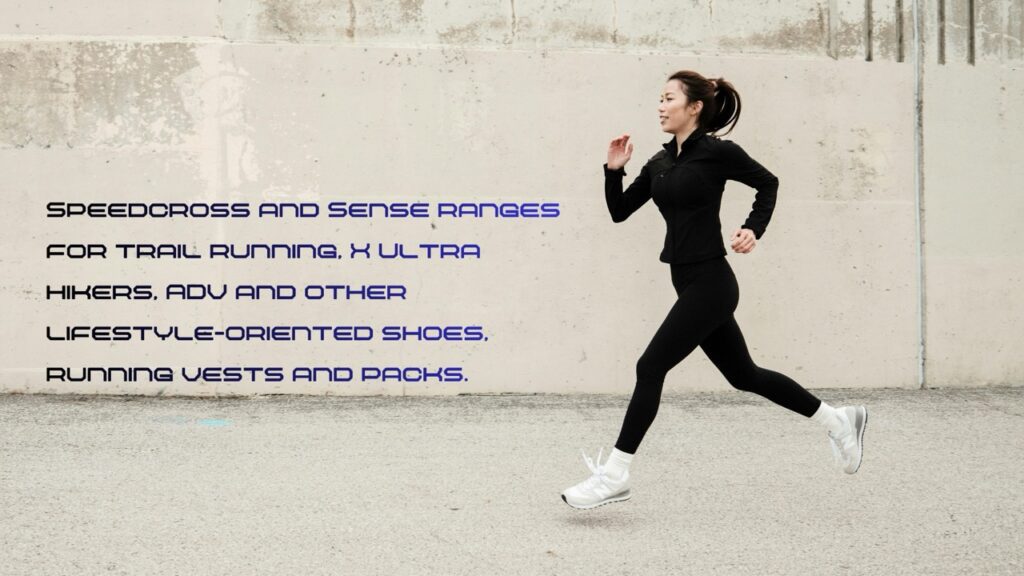
Key products: Speedcross and Sense ranges for trail running, X Ultra hikers, ADV and other lifestyle-oriented shoes, running vests and packs.
Sustainability / innovation: Index and other sustainability initiatives; recycled materials in uppers and apparel; focus on longevity and recyclability.
5. Rab: For Cold Weather Warriors
Overview: Rab is the choice for climbers and mountaineers who need reliable insulation and shells in cold, demanding conditions. The brand is UK-based and has a no-nonsense, performance-first reputation.
Why it’s trending: Rab has broadened its range into trail running and hiking while staying strong in alpine and expedition gear. People who take cold and wet seriously still gravitate to Rab.
Key products: Microlight and Neutrino down jackets, Kinetic and other soft shells, baselayers, Alpine and Alpine Light shells, sleeping bags.
Sustainability / innovation: Recycled down and synthetic insulation; PFC-free DWR where possible; focus on durability and repair.
6. Montbell: For High-Performance on a Budget
Overview: Montbell is a Japanese brand known for ultralight, high-performance gear at relatively accessible prices. Backpackers, thru-hikers, and gram-counters rely on it for down, shells, and layers that minimise weight without sacrificing warmth or weather protection.
Why it’s trending: Ultralight and fastpacking have grown; Montbell’s value and quality have attracted more international buyers. The design is clean and understated.
Key products: Plasma and Superior down jackets, Versatile and other rain shells, Dynamo and other fleece, sleeping bags and shelters.
Sustainability / innovation: Lightweight, durable materials; efficient design that reduces waste; increasing use of recycled and responsible sourcing.
7. Fjällräven: For Stylish and Functional Outfits
Overview: Fjällräven blends Scandinavian practicality with a classic, low-key aesthetic. The look is clean and timeless—functional for the outdoors but at home in the city.
Why it’s trending: The Kånken backpack became a global icon; the brand’s emphasis on longevity, waxed fabrics, and understated design fits both Gorpcore and “quiet luxury” tendencies.
Key products: Greenland jacket, Keb trousers, Abisko trekking gear, Kånken and Räven bags.
Sustainability / innovation: Long-lasting materials and repair services; recycled and organic options; focus on fewer, better pieces rather than fast fashion.
8. Helly Hansen: For Sailing and Maritime
Overview: Helly Hansen has deep roots in sailing and maritime work, and that shows in waterproof, breathable shells and insulated layers built for wet, cold conditions. The brand also has a strong presence in skiing and outdoor workwear.
Why it’s trending: HH has pushed further into lifestyle and urban styles while keeping technical credibility. The sailing heritage and Nordic design appeal to people who want performance without a full “mountaineer” look.
Key products: Odin and Alpha 3.0 shells, Lifa baselayers, ski and sailing apparel, workwear-inspired pieces.
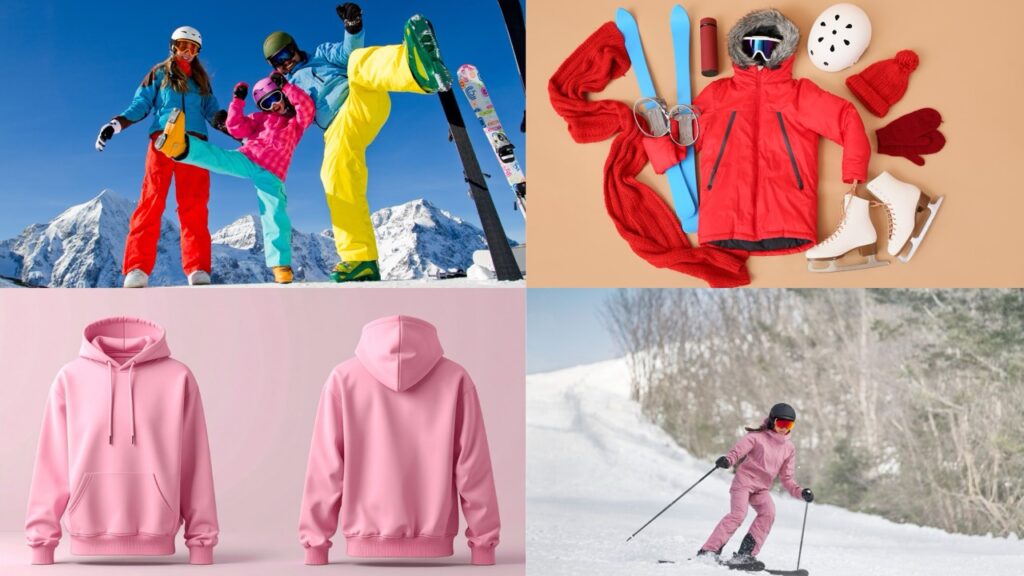
Sustainability / innovation: HH Lifa and other proprietary tech; increased use of recycled materials; focus on durability and repair.
9. Outdoor Research: For Climbers, Skiers, and Backcountry
Overview: Outdoor Research (OR) is favoured by climbers, skiers, and backcountry users for gloves, shells, and layers that prioritise function and durability. The brand is less flashy than some competitors but highly trusted.
Why it’s trending: OR has expanded its colour and style options while staying technical. People who want performance without logos or hype often land on OR.
Key products: Helium and Guardian jackets, Ferrosi soft shell, Sensor gloves, Echo baselayers, ski and alpine apparel.
Sustainability / innovation: Use of recycled materials; focus on long-lasting construction and repair; more responsible chemistry in DWR and treatments.
10. Columbia: For Families, Day hikers, and Casual
Overview: Columbia focuses on accessible, dependable outdoor gear for families, day hikers, and casual adventurers. You get solid performance without the premium price of Arc’teryx or some TNF lines.
Why it’s trending: As outdoor participation has grown, Columbia’s value-for-money and broad size range have attracted more buyers. Omni-Heat, Omni-Wick, and OutDry show continued investment in tech.
Key products: Silver Ridge and Saturday Trail shirts, Bugaboo and Arcadia jackets, PFG fishing and sun gear, winter coats and insulated layers.
Sustainability / innovation: Use of recycled materials; some bluesign® approved fabrics; focus on durability to extend product life.
Outdoor Fashion Trends: Gorpcore, Sustainability, and Tech Fabrics
Gorpcore is the trend that turned technical outdoor gear into everyday fashion. Shell jackets, fleeces, trail runners, and cargo trousers are worn in the city as much as on the trail. Brands like Arc’teryx, Patagonia, and The North Face sit at the centre of this; the best pieces work in both contexts.
Sustainability is no longer optional for many buyers. Recycled polyester and nylon, recycled down, Fair Trade manufacturing, and repair programmes are table stakes. Brands that communicate their efforts clearly and back them with durable products are winning loyalty.
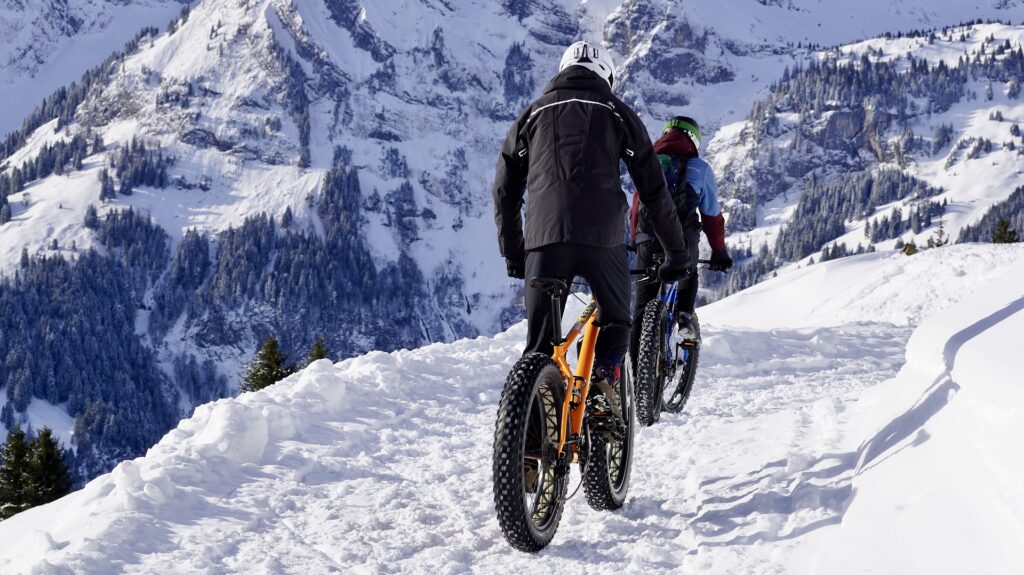
Tech fabrics keep improving: lighter, more breathable, and often more eco-friendly. You can get a shell that packs small, breathes well, and handles rain without old-school crinkly coatings. Merino and smart synthetics make baselayers and mid-layers more comfortable and odour-resistant. The result is gear that performs better and lasts longer, which supports both real use and a more sustainable wardrobe.
Final Thoughts
The best outdoor clothing brand for you depends on what you do and how you want to look. If you want one brand that does almost everything and stands for something, Patagonia is hard to beat. If you want maximum performance and don’t mind the price, Arc’teryx leads. For value and breadth, Columbia and The North Face cover a lot of ground. Fjällräven and Helly Hansen offer distinct aesthetics and strong heritage; Salomon dominates trail running; Outdoor Research and Rab deliver no-fuss performance for serious conditions; Montbell is the ultralight choice. In 2025, outdoor clothing is about performance and identity—pick the brands that match your activities and your style, and invest in pieces you’ll use for years.
FAQs
What are the best outdoor clothing brands overall?
For most people, Patagonia (mission + breadth), Arc’teryx (hard weather), and The North Face (range + street crossover) cover the widest ground. Your activity and budget pick the winner.
What are the best fashion-forward outdoor brands for 2025–2026?
Arc’teryx, The North Face, Salomon, Patagonia, and Fjällräven lead for pieces that read as both technical and stylish in the city.
Are these the same as the best outdoor gear companies?
Mostly yes — the same brands dominate apparel and footwear; some also sell packs, tents, and hardware. For clothing-first shopping, start with the table at the top of this guide.
How is this different from general street fashion?
Outdoor brands prioritise weather protection, movement, and durability first; fashion brands borrow the look. If you need real rain and wind performance, buy from the technical brand, not a fashion-house copy.
For more insights and in-depth analysis, visit Gizmo Pixel Hub Reviews home page where we cover the latest trends, products, and user experiences with detailed reviews tailored to your needs